


- by Jorge Mckechnie
- Massage Benefits, Massage Techniques, Massage Therapies, Massage treatments, Specialized Massage Therapies
- 0 Comments
If you’ve ever felt tight, stiff, or “stuck” in your body and couldn’t quite explain why, fascia might be part of the answer.
I see this all the time at Cielo Spa & Wellness. Someone comes in saying their neck feels glued shut, their lower back keeps pulling, or their shoulders never seem to relax no matter how much they stretch. They usually think the problem is only in the muscle. Sometimes it is. But very often, fascia is involved too.
This is why fascia massage therapy has become a significant part of the discussion about pain relief and mobility. When you get to understand fascia, so many things about the body start to make more sense.
Let’s talk about it.
What fascia actually is
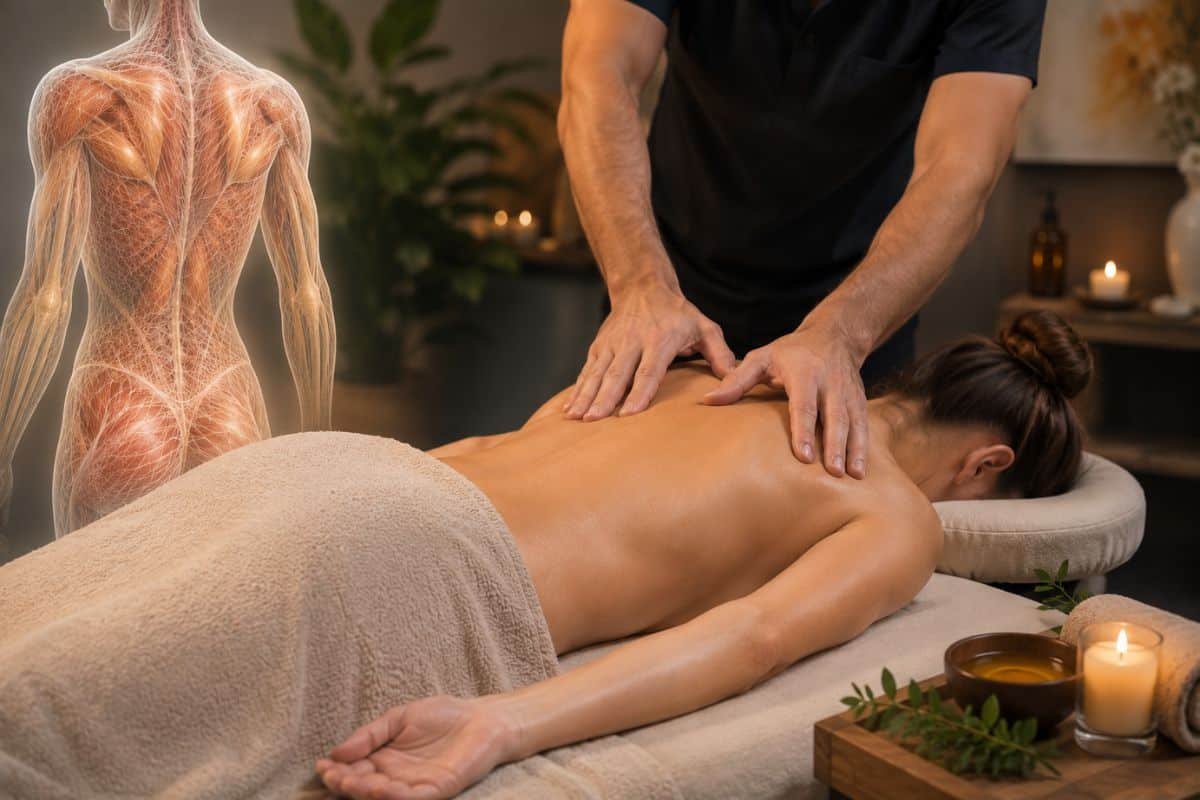
Fascia is a web-like connective tissue that surrounds and supports muscles, bones, nerves, and organs. It is a bit like the inner fabric of the body. It makes everything organized, connected, and able to move smoothly.
Healthy fascia is flexible and responsive. It enables muscles to slide, joints to move, and the body to be more open. When movement gets tight, irritated, or restricted, it can feel limited and painful.
That’s why you’ll often see fascia and muscle pain linked together. Rest may not take away a deep ache, a pulling, stiffness, or pain that feels like it is always there.
Why superficial fascia anatomy matters
When people hear “fascia,” they often imagine only deep tissue. But superficial fascia anatomy is just as important.
Superficial fascia is the layer of connective tissue immediately below the skin. It sits on top of the deeper layers. It anchors the skin to the underlying structures. It also houses blood vessels, lymphatic pathways, and nerves, so it does play a part in how the body feels and responds to touch.
Why does that matter?
Because when this layer is constricted, dehydrated, or irritated, it can affect mobility, comfort, and even how the body feels during massage. This is why good therapists don’t simply “dig into” a painful area and hope for the best. They can see the layers of tissue working together.
How fascia affects movement and pain
Fascia is supposed to glide. That is the whole point.
But it can get stiff from everyday life. Long periods of sitting at a desk, repetitive motion, stress, injury, poor posture, and lack of recovery can all cause tissue to become less mobile. When that happens, the body often starts to compensate.
That compensation shows up as:
- tight shoulders
- stiff hips
- a pulling lower back
- reduced range of motion
- soreness that keeps returning
- pain that feels “deeper” than a regular ache
Let me be clear: fascia can certainly cause pain, tightness, and a sense of restriction. The body is less mobile when the tissue around the muscles loses elasticity. And when it doesn’t move freely, the nervous system is often on alert. That’s when the pain gets a little more persistent.
Does fascia massage work?
For many people, yes, it can help a lot.
The answer is simple: Massage can affect the quality of tissue, the circulation, the activity of the nervous system, and the amount of tension the body is holding on to.
Good fascia massage is usually slow, deliberate, and reactive. It’s a matter of giving the body time to release.
At Cielo, when someone is dealing with stiffness or movement restrictions, I often combine several approaches:
- slow tissue work
- stretching
- pressure that is firm but not aggressive
- breathing cues
- mobility-focused massage
- myofascial release therapy
Myofascial Release vs. Deep Tissue: What’s the Difference?
People ask me this all the time, so let’s clear it up.
Myofascial release therapy is for the more superficial layers – your skin and the connective tissue just beneath it. I find the tight or restricted areas and apply slow pressure to them. It’s a patient, deliberate work that calms your nervous system, improves circulation near the surface, and gradually restores mobility. Sometimes I will hold a spot for a full minute or more just waiting for that tissue to release and soften under my hands.
However, deep tissue massage goes deeper than those surface layers to reach your deeper muscles and the fascia that surrounds them. This puts firmer, more specific pressure on chronic tension. This is particularly helpful for long-term problems that have been building up over months or years.
Combining myofascial release with deep tissue work allows us to treat both surface-level restrictions and deeper tension at the same time.
Fascia Pain Treatment: What Conditions Can This Actually Help?
I’ve worked with clients dealing with all sorts of issues where fascia pain treatment made a real difference:
Chronic low back pain – One of the more common issues I see, and honestly the fascia work makes the biggest visible difference. Up to 90% of low back pain has no clearly identifiable structural cause. Myofascial disruption is often a major contributing factor.
Carpal tunnel syndrome Clients who do repetitive hand work or spend all day typing find relief that complements other treatment by releasing fascial restrictions in the forearm and wrist.
TMJ disorder — Jaw tension is extremely common, especially among those who clench their teeth or hold tension in their face. Working the fascia around the jaw and neck really helps.
Chronic migraines – This one surprises people, but fascial restrictions in the neck and shoulders can absolutely contribute to headache frequency and intensity.
Scar tissue is formed as part of your body’s natural healing process after surgery or injury. Post-surgical scarring. But too much scar tissue can limit movement and cause chronic pain. Gentle, consistent myofascial work will gradually remodel that tissue.
Taking Care of Your Fascia Between Sessions
I always tell my clients that what you do between appointments matters just as much as what happens on my table. Here’s my honest advice for keeping your fascia healthy:
Drink your water. I know you’ve heard this a thousand times, but fascia genuinely needs hydration to stay pliable. Dehydrated fascia gets stiff and sticky, and that’s when problems start.
Move every single day. Your fascia thrives on movement. Walking, stretching, yoga—anything that keeps you mobile helps maintain healthy, flexible connective tissue. I incorporate movement guidance into a lot of my sessions because it genuinely extends the benefits of the massage itself.
Use a foam roller. Self-massage tools can help you maintain results between visits, especially in areas that are hard to reach during a session. Be consistent but gentle.
Watch your posture. Whether you’re sitting at a desk or standing all day, alignment matters. Poor posture creates unnecessary strain on your fascial system over time.
Why This Matters More Than Ever
The wellness industry is catching on to what massage therapists have known for years. Industry research shows that 71% of massage consumers are now seeking treatment for health and wellness reasons, rather than simply for relaxation. People are starting to see massage, particularly fascia work, as an investment in long-term health and not just a one-off pamper.
Let’s Get to the Root of Your Pain
It’s been for dozens of clients who’ve walked through our doors here in Philadelphia’s Old City.
At Cielo Spa & Wellness, my team and I take the time to actually understand what’s happening in your body before we start working. We assess, we listen, and we adjust our approach based on what your fascia and muscles are actually telling us.
Whatever your goals are, we want to help you achieve them, whether it’s managing fibromyalgia symptoms or recovering from an old injury, chronic low back pain, or simply moving through your day with less stiffness. Book your fascia-focused session today.
Frequently Asked Questions
What is fascia, and why is it important?
Fascia is a web-like connective tissue made of collagen fibers that surrounds and connects your muscles, bones, nerves, blood vessels, and organs throughout your entire body. It provides structural support, allows your muscles to glide smoothly during movement, and forms one continuous network—meaning tightness in one area can cause pain or restriction in a completely different part of your body.
Does fascia massage actually work?
Yes. Research on myofascial release therapy shows measurable benefits for conditions like chronic low back pain, fibromyalgia, chronic pelvic pain syndrome, and post-surgical recovery.
What's the difference between myofascial release and deep tissue massage?
Myofascial release focuses on the superficial layers of connective tissue just beneath the skin, using slow, sustained pressure to release restrictions and calm the nervous system. Deep tissue massage works on deeper muscle layers and surrounding fascia using firmer pressure to address long-standing tension.
What conditions can fascia massage help treat?
Fascia-focused treatment has shown benefits for chronic low back pain, carpal tunnel syndrome, TMJ disorder, chronic migraines, fibromyalgia, and post-surgical scarring.
How often should I get fascia massage therapy?
This depends on your specific condition and goals. For acute issues or recent injuries, many people benefit from sessions every few days initially. For chronic conditions or general maintenance, weekly to monthly sessions are typically recommended.
Is fascia massage painful?
Myofascial release typically involves gentle, sustained pressure rather than intense force, so most people find it tolerable and even relaxing despite working on restricted areas. Deep tissue work targeting fascia may feel more intense, but it should never be unbearably painful.
Who typically performs myofascial release therapy?
Myofascial release is performed by various trained healthcare providers, including massage therapists, physical therapists, occupational therapists, chiropractors, sports medicine specialists, and osteopathic physicians.
Are there any risks associated with fascia massage?
Fascia massage and myofascial release are generally very safe with minimal risk of complications. However, if you have certain conditions like bone fractures, open wounds, deep vein thrombosis, or you're taking blood thinners, it's important to consult with your healthcare provider before beginning treatment.
Book your massage appointment with Jorge McKechnie today.